

The fantasy football season is fueled by strategy, trash talk, and most importantly, money.
While everyone loves the excitement of Draft Day, managing the financial side — specifically collecting fantasy league dues and setting up clear payout structures — is often the biggest headache for the Commissioner.
Unclear rules or delayed payments can quickly erode trust and engagement, turning a competitive league sour. This comprehensive guide is here to help you navigate the financial gauntlet with total transparency and fairness.
We’ll cover the best collection methods to secure your prize pool upfront and explore a variety of payout models designed to keep every team motivated, from the title contender to the cellar dweller.
Let’s clean up your league’s finances and ensure this season is drama-free.
Collecting the Dues
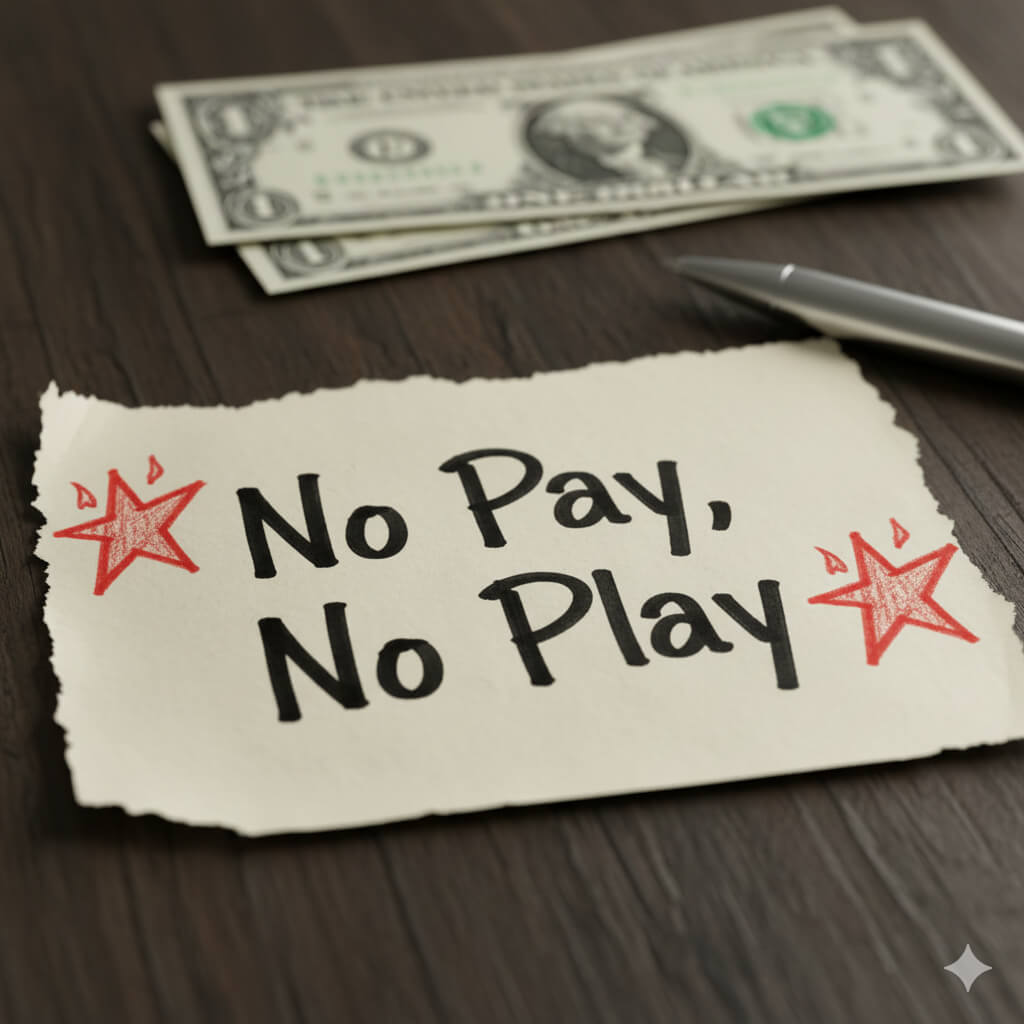
The most crucial step in running a money league is executing a flawless dues collection process. Your league’s financial integrity starts and ends with one simple, but iron-fisted rule: No Pay, No Play.
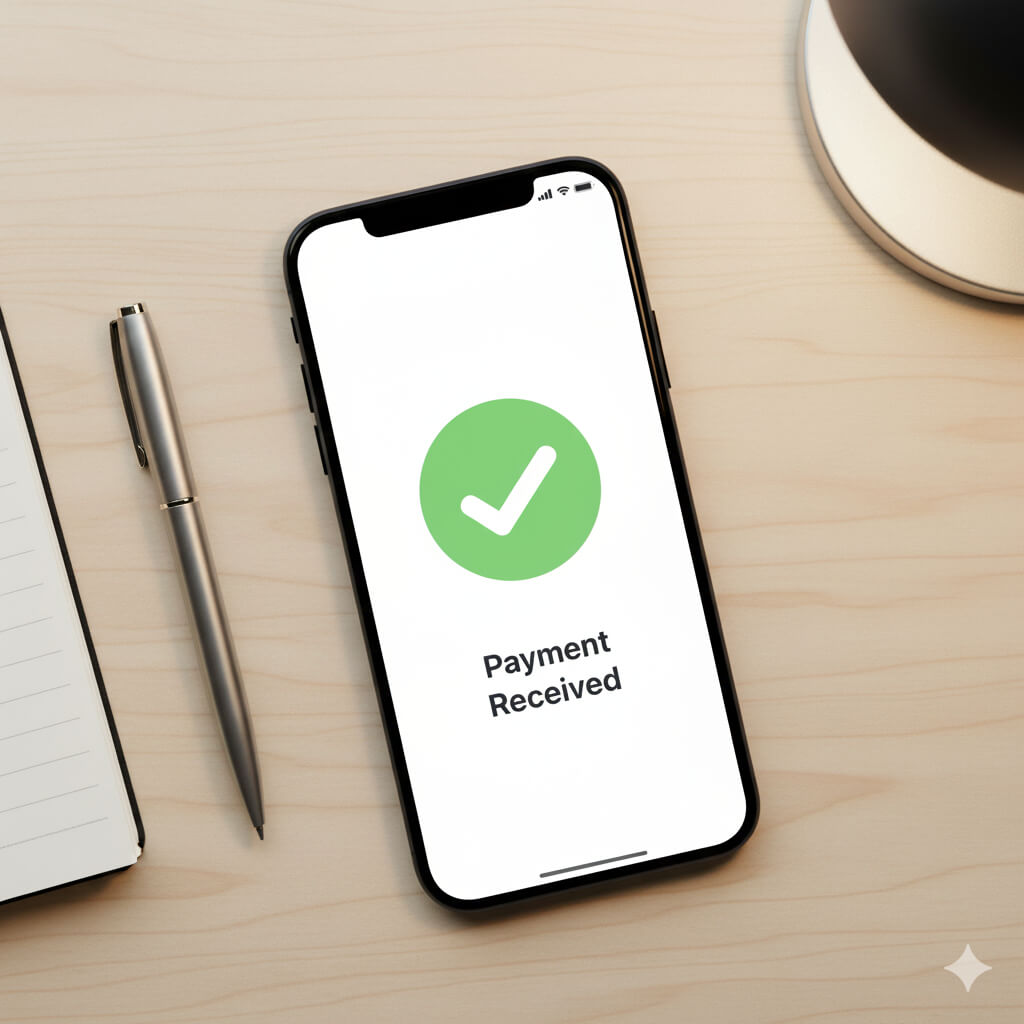
The commissioner must establish a clear, non-negotiable deadline — ideally before the official draft day — for the entry fee. If the payment isn’t received by the deadline, the manager should be immediately replaced, or their roster should be locked to prevent them from participating, thus protecting the integrity of the total prize pool.
For most casual leagues built on trust, Peer-to-Peer (P2P) payment apps like Venmo, PayPal, and Cash App offer easy, fast, and often free ways to send the entry fee. However, be warned: payment services often frown upon gambling or betting transactions in their Terms of Service (TOS). To avoid potential account freezes, advise managers to select the “friends and family” option or use a benign note like “Draft Day Snacks” or “League T-Shirt” instead of mentioning the fantasy league directly.
For formal, high-stakes, or leagues with managers who don’t know each other well, dedicated league financial services are the professional standard. LeagueSafe is the industry leader for collecting and protecting funds. The platform holds the money in escrow, meaning not even the commissioner can touch the funds during the season. This eliminates commissioner risk and guarantees transparency.
At the end of the season, payouts are typically approved by a majority vote from the league before being released, giving every manager peace of mind. Some hosting platforms also offer basic, built-in finance tools, but they usually lack the escrow protection that LeagueSafe provides.
Payout Structure Philosophy and Models
Once the prize pool is secured, the next major decision is how to distribute the winnings.

Your payout structure should directly reflect the behavior you want to incentivize. Do you want to reward the long-term consistency of the regular season, or the high-stakes, week-to-week success of the playoffs? Start with the simple calculation: (Number of Teams x Entry Fee) minus any predetermined league expenses equals your total prize pool.
Payout models generally fall into two categories.
First is the Top-Heavy structure, which focuses almost entirely on the League Champion and runner-up, maximizing the incentive to win the final game. A common structure is splitting the pot 60% for first, 30% for second, and 10% for third. The most extreme version is Winner Take All, where the League Champion receives 100% of the pot, creating maximum drama.
The second category is Spreading the Wealth, which aims to increase league engagement by rewarding consistency and participation beyond the playoffs. To honor true season-long performance, many leagues dedicate a portion of the pot (often the 10% designated for 3rd place) to the team with the Most Regular Season Points. This rewards the statistically best team, regardless of playoff luck.
Further incentives for engagement include small weekly payouts (e.g., $5-$10) for the highest weekly score, which encourages owners whose teams are out of the playoff race to keep setting their lineups.
Finally, don’t forget the Consolation Prize or Toilet Bowl bracket — whether it’s a small monetary reward or simply avoidance of an embarrassing last-place punishment, this keeps all managers invested until the very end.
Special Considerations for the Commissioner
As the commissioner, a few final financial details must be addressed before the season starts.
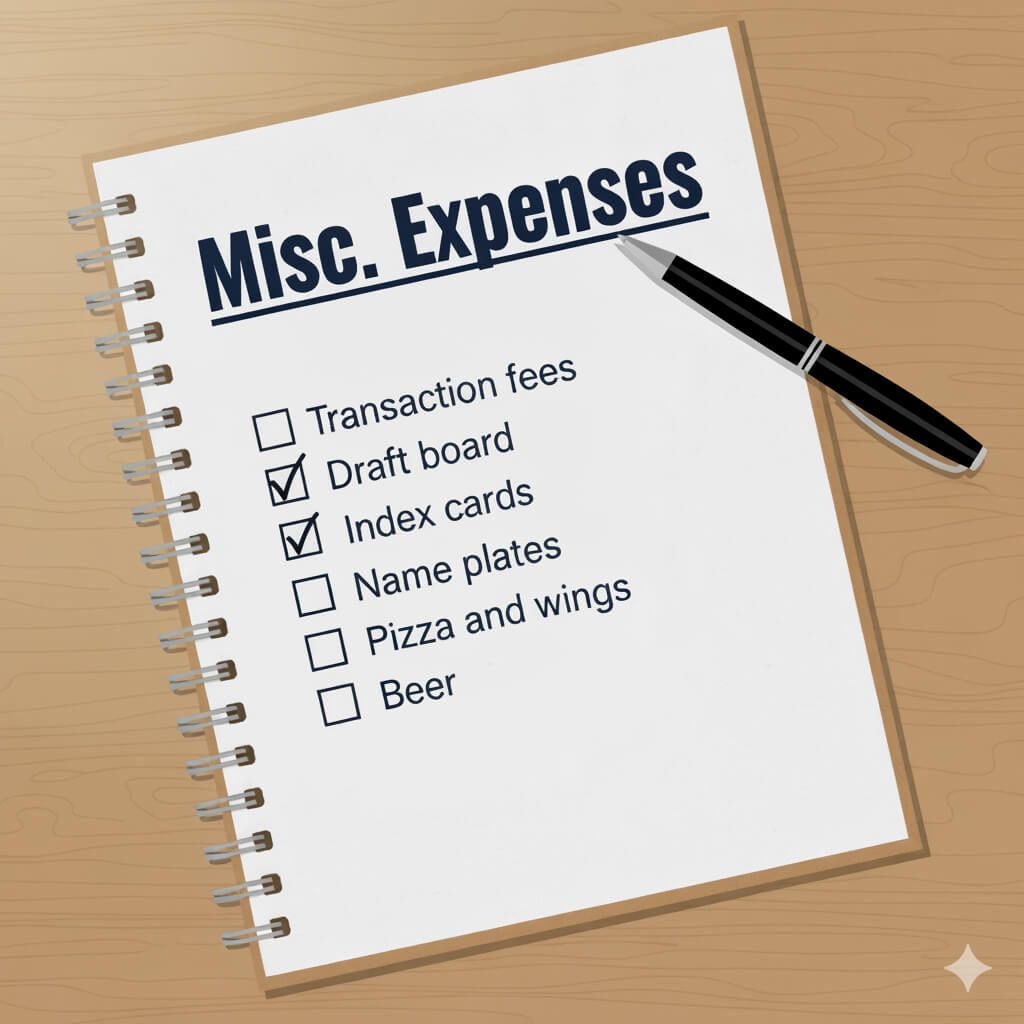
First, decide if you will implement transaction fees (e.g., $1 per waiver pickup or trade). These fees can serve two purposes: they either deter reckless roster churning or, more positively, they can be added directly back into the prize pool.
Second, be transparent about any League Expenses. If you plan to spend money on a championship trophy, a personalized draft board, or even pizza for the live draft, those costs must be factored into the overall dues before the payout structures are finalized.
Most importantly, commit to payout promptness. Once the season officially ends, ensure all winnings are distributed to the victorious managers within 24 to 48 hours. Nothing frustrates a league faster than a sluggish payout.
Conclusion: Financial Transparency is Trust
Ultimately, the foundation of a successful, drama-free fantasy league is financial transparency.
By establishing a rigid dues collection policy — your No Pay, No Play rule — and clearly defining the payout structure before the Draft Day, you eliminate the major sources of commissioner stress and league conflict.
Take the time now to present these options to your league for a vote, secure the entry fees, and focus on the fun: the strategy, the trash talk, and the glory of the competition.